Cat Coffee Shop
Game guide at a glance
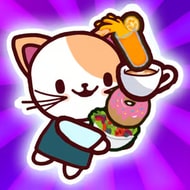
You dash from the espresso machine to a waiting table, drop off an order, and turn back around just in time to catch a new cat customer settling into a booth before the queue backs up.
Quick facts
- Developer
- Lutte
- Style
- Idle Café Management
- Platform
- Web browser
- Views
- 64
- Added
- 2026-08-11
You dash from the espresso machine to a waiting table, drop off an order, and turn back around just in time to catch a new cat customer settling into a booth before the queue backs up. Cat Coffee Shop keeps that rhythm going from the very first shift, and it only gets busier from there.
| Genre | Idle Café Management |
| Controls | Tap to Serve and Collect Coins |
| Menu | Coffee, Ice Cream, and More |
| Progression | Upgrades and Helper Cats |
Reading the Order Queue Before It Backs Up in Cat Coffee Shop
Every cat customer that sits down starts a countdown before their patience runs out, and beginners who serve orders in the sequence they arrive rather than by urgency tend to lose more customers than they need to.
Prioritizing whichever order is closest to timing out, even if it means skipping past a customer who just sat down, keeps the queue moving in a way that a strict first-come-first-served approach doesn’t.
Once the shop gets a second or third table running at once, this triage habit becomes the actual skill being tested, more than how fast a player can tap.
Reinvesting Coins Instead of Hoarding Them
Reinvestment is the mechanic new players undervalue most, since it’s tempting to let coins pile up rather than spend them immediately on a faster espresso machine or an extra table, but every coin left unspent is a coin not compounding into faster future income.
Upgrading the coffee machine before adding a new table usually pays off faster early on, since a quicker machine benefits every future order rather than just the ones served at one additional table.
Players who hoard coins for a big single purchase instead of spreading upgrades out consistently tend to fall behind the pace their growing customer base actually demands.
Hiring Helper Cats Without Losing Personal Control
Helper cats take over parts of the serving loop automatically, which frees you up to handle the busiest tables yourself, but relying on them too early before the shop’s income can support their upkeep slows growth rather than speeding it up.
The honest trade-off players debate is how much to automate versus how much to keep doing by hand — full automation feels satisfying but caps out lower than a well-timed mix of helper cats and direct play.
Why Ice Cream Orders Change the Rhythm in Cat Coffee Shop
Ice cream orders arrive alongside coffee once the menu expands, and juggling two different prep stations at once is where the shop’s rhythm genuinely shifts from simple tapping into real multitasking under pressure.
Community discussion around Cat Coffee Shop tends to single out this exact point as where the game either clicks for a player or starts to feel overwhelming, depending on how well the earlier upgrade choices held up.
Questions About Running the Shop
Does the shop keep earning coins while the tab is closed?
Idle income continues to build up while away, though returning to actively serve customers earns more than leaving the shop fully unattended.
Can helper cats be reassigned to different stations?
Yes, helper cats can typically be moved between stations as the shop’s layout and customer flow change with new upgrades.
What happens if a customer’s patience runs out completely?
An unserved customer eventually leaves without paying, which is the direct cost of misreading the queue and a good reason to prioritize orders closest to timing out.
By the time a shop in Cat Coffee Shop is running two tables, a full menu, and a couple of helper cats at once, the early habit of triaging orders by urgency instead of arrival order is still exactly what’s keeping the whole operation from collapsing into a backed-up queue.