Judge Panels Explained
How They Score, React, and Change a Session’s Feel The judge panel is the piece of The Choicer Voicer that reacts to every single performance you give, and it’s easy to assume it’s just a scorekeeper.
How They Score, React, and Change a Session’s Feel
The judge panel is the piece of The Choicer Voicer that reacts to every single performance you give, and it’s easy to assume it’s just a scorekeeper. In practice, it’s doing two separate jobs at once: scoring your attempt against pitch, timing, and clarity, and then delivering a reaction that’s shaped by whichever panel you’ve got loaded. This guide breaks down how that system actually works and how to think about choosing or building around a judge panel.
Scoring vs. Reacting: Two Different Jobs
It’s worth separating these clearly, because they’re genuinely independent systems, even though they happen back to back after every round:
- Scoring is handled by the underlying judging engine, checking your performance against the reference clip’s pitch, timing, and clarity. This stays exactly the same no matter which judge panel is active — swapping panels never changes how a performance is actually graded.
- Reacting is what the active judge panel does with that score once it’s calculated — the personality, tone, and specific audio that plays back at you based on which score tier you landed in.
Because scoring is constant and reactions are swappable, changing your judge panel is a purely presentational choice. It changes how a session feels without changing how hard it actually is to score well.
Where a Panel’s Reactions Actually Come From
Judge panel reactions are supplied by Judge Packs — a specific pack category built around score-tier naming, so the right reaction clip plays for the right result (bad, mediocre, good, perfect-style tiers). This is worth understanding if you’re choosing between panels, or considering building your own: a judge panel’s “personality” is really just a consistent tone across all four of those reaction tiers, built by whoever made the pack.
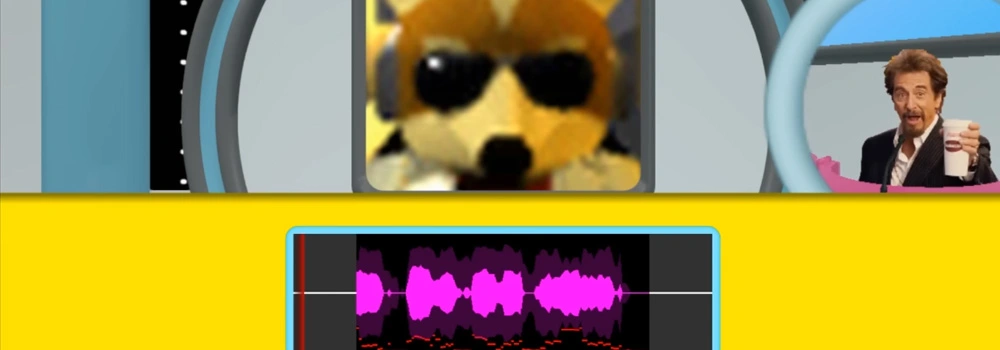
If a specific tier is missing from a pack, that slot typically falls back to silence or a default rather than throwing an obvious error — which is worth knowing if a panel ever feels inconsistent between score ranges. That’s usually a missing slot in the pack, not a bug in the panel itself.
How Panel Personality Changes the Feel of a Session
Since the score underneath never changes, the entire effect of a different judge panel comes down to tone. A few practical ways this plays out:
| Panel Tone | Effect on the Session | Works Well For |
|---|---|---|
| Harsher / more critical | Raises the perceived stakes of each attempt, even though the actual score isn’t affected | Competitive groups, players who want pressure to push commitment |
| Lighter / more forgiving | Softens the sting of a low score, keeps energy up after a rough attempt | Casual sessions, groups with first-time players |
| Comedic / exaggerated | Turns even a mediocre score into part of the entertainment | Party nights, streaming, groups more focused on fun than accuracy |
None of these change what it takes to score well — they change what it feels like to score badly, which turns out to matter a lot for how a session actually plays out over time.
Matching a Judge Panel to Your Content
A mismatched panel and pack can feel oddly disjointed even when both are individually well made — a comedic, exaggerated panel reacting to a somber or dramatic performance pack tends to read as tonally off, and vice versa. A few things worth considering when pairing them:
- Themed packs that bundle their own judge content are usually built to already match — if a themed set includes its own judge pack, that’s often the safest starting point.
- If you’re mixing a judge panel from one source with a performance pack from another, listen to a couple of reactions at each score tier before committing to the pairing for a full session.
- For streaming or group settings specifically, a panel that reads clearly and quickly at a glance tends to land better than a subtler one — audiences and groups process reactions faster than a solo player reading their own score alone.
Building Your Own Judge Pack
If you’re building a Judge Pack rather than just choosing between existing ones, the core discipline is consistency across all four score tiers, since that consistency is what reads as a coherent “personality” rather than four unrelated clips:
- Write or source reactions for all four tiers before recording any of them, so the tone across bad, mediocre, good, and perfect feels like one panel rather than a patchwork.
- Use score-tier naming carefully — this is the same silent-failure risk as any other pack type, where a naming mismatch just means that tier quietly doesn’t play rather than throwing an error.
- Test every tier through the Customize menu once built, the same way you would with any other pack, rather than assuming correct naming guarantees a working slot.
The judge panel is one of the more overlooked pieces of Customize, mostly because its effect is easy to mistake for part of the scoring itself. It isn’t — the score is constant, and the panel is purely about how that score gets delivered back to you. Once that separation clicks, choosing (or building) a panel becomes less about finding the “correct” one and more about picking the tone that fits whatever kind of session you’re actually running.
Keep reading
Building Host & Judge Packs
A Modder’s Guide to Non-Performance Content Most first-time pack builders start …
Read →🎙️Building Your First Voice Pack
A Step-by-Step Guide The slot system and folder structure behind Voice Packs are…
Read →🎙️Chat Mode
Running The Choicer Voicer on Stream Chat Mode swaps out the game’s computer-con…
Read →